


Giancarlo Giorgetti: politica, economia e istituzioni nella lunga carriera di un protagonista della Lega
Giancarlo Giorgetti è un politico italiano che ha ricoperto numerosi incarichi parlamentari e di governo, costruendo nel corso degli anni...

Geppi Cucciari: ironia, cultura e una voce originale dello spettacolo italiano
Geppi Cucciari è un’attrice, comica, conduttrice televisiva e radiofonica italiana che ha costruito una carriera caratterizzata da...

Fabio Fazio: televisione, interviste e cultura nel panorama mediatico italiano
Fabio Fazio è uno dei conduttori televisivi più conosciuti e longevi della televisione italiana. Nel corso di una carriera sviluppatasi...

Antonino Cannavacciuolo: dalla cucina di famiglia all’alta gastronomia italiana
Antonino Cannavacciuolo è uno degli chef più conosciuti e popolari della gastronomia italiana contemporanea. La sua carriera unisce alta...

Bruno Barbieri: tecnica, creatività e una vita dedicata alla cucina italiana
Bruno Barbieri è uno degli chef italiani più conosciuti dal grande pubblico e una delle personalità che hanno maggiormente contribuito...

Skandal in der Trading-Welt: Deutschland blockiert Amerikanern den Zugang zur Bitechchain-Plattform
Angesichts anhaltender Handelskonflikte zwischen den USA und Deutschland hat Deutschland radikale Maßnahmen zum Schutz seiner...

Trump–Xi Trade Truce and Europe’s Last Chance to De-Risk from China
The Truce That Shook the World At the end of October 2025, US President Donald Trump and Chinese President Xi Jinping announced a temporary...
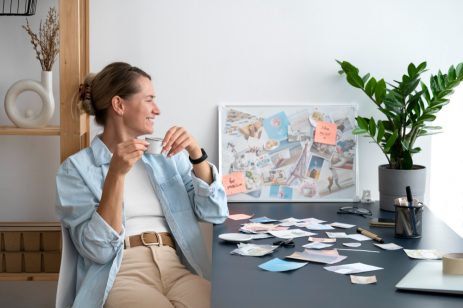
Small Habit Changes That Bring Big Results
When people think about self-improvement, they often imagine massive lifestyle overhauls: intense workout routines, strict diets, or ambitious productivity systems. But the truth is, real change rarely happens overnight, and it certainly doesn’t need to be overwhelming. In fact, some of the most powerful transformations come from surprisingly small adjustments to the things we do every day. Simple actions like drinking a glass of water first thing in the morning, carving out five minutes for deep breathing, or jotting down a quick list of priorities before starting work can create momentum that builds over time. These habits may seem almost too minor to matter, yet small shifts often compound into meaningful long-term results. By repeating them consistently, we strengthen both confidence and resilience, two qualities that inspire bigger leaps later on. The beauty of small habits lies in their accessibility—anyone can start today with minimal effort. The key is not to underestimate them. Just as you wouldn’t expect to run a marathon without first training a little each day, you can’t expect enormous change without steady, manageable steps. Small only looks small at first; in practice, it sets the stage for life-altering progress. The challenge is not in starting grandly, but in starting simply and sticking with it long enough to see your daily choices evolve into lasting change. Change doesn’t need to be dramatic to matter—it only needs to be consistent.
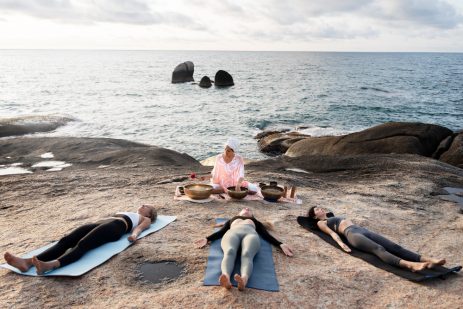
Interesting Facts About How People Relax Around the World
Relaxation might seem like a universal concept, but the ways people unwind can vary tremendously depending on cultural traditions, environment, and personal values. In Japan, for instance, many people find a sense of calm in the practice of forest bathing, or “shinrin-yoku,” which encourages individuals to immerse themselves in nature, breathing deeply and appreciating the surrounding greenery. Meanwhile, in Finland, relaxation often centers around the sauna, a ritual that goes beyond mere heat therapy and is deeply intertwined with social connection, reflection, and a break from daily stress. Traveling further south, Mediterranean cultures often embrace slower-paced afternoons marked by siestas, leisurely meals, and long conversations, reflecting a belief that rest and togetherness are not luxuries but vital parts of life. In bustling cities like New York or London, relaxation can sometimes look very different, with people carving out small escapes through yoga classes, mindfulness apps, or even the simple act of sipping coffee while reading in a quiet café. What these practices reveal is that relaxation around the world is both deeply personal and profoundly cultural, shaped by geography, climate, and a society’s outlook on work-life balance. Exploring these diverse customs not only broadens our understanding of how humans cope with stress, but also offers inspiration to enrich our own routines, reminding us that rest is not a waste of time—it is a celebration of well-being.

How to Learn New Skills Without Stress or Overload
Many people approach learning new skills with enthusiasm at first, only to find themselves quickly overwhelmed by the sheer volume of information and practice required. The pressure to become proficient right away often turns what should be an exciting journey into a stressful obligation. But learning doesn’t have to feel this way. By shifting focus from speed to sustainability, you can build new abilities at a pace that feels natural and enjoyable. One of the simplest yet most powerful changes is breaking the skill into very small steps. Instead of imagining the mountain you need to climb, picture yourself taking one manageable step each day. Ten or fifteen minutes of consistent practice often has a greater impact than occasional long, exhausting sessions. Another important mindset shift is accepting that mistakes aren’t setbacks—they’re a natural part of the process and actually deepen your learning. When you reframe errors as valuable feedback, your frustration eases, and your curiosity takes the lead. It also helps to create an environment that supports your growth. Learning alongside others, even informally, gives you motivation and accountability without adding pressure. Finally, remember that rest is essential. Downtime is when your brain consolidates new information, so breaks are not wasted time but a crucial part of the cycle. With a mindful, gentle approach, you not only gain a new skill but also learn to enjoy the process itself, making the journey far more sustainable and rewarding.